
No-contact is not forever.
There comes a moment when silence has done its job and it is time to re-enter their world – but not as the old version of you.
Strategic re-engagement is the art of breaking no-contact at the right time, with the right energy, so that the first interaction creates maximum regret and curiosity instead of relief.
Exact Timing for Breaking No-Contact
Do not break too early. Most people fail here because they get impatient.
Best windows:
- 30 days – Only for very short relationships or highly anxious exes
- 60 days – The sweet spot for most cases (recommended default)
- 90+ days – Nuclear option for stubborn, high-ego exes or when you want maximum dread
The longer the original relationship was, the longer you should stay in no-contact.
Break no-contact only when you have visible upgrades and when you feel emotionally strong (not desperate).
Psychological Openers That Trigger Regret
Your first message must be short, high-value, and slightly unexpected.
Good examples:
- “Hey, saw something today that reminded me of that trip we took. Hope you’re doing well.”
- “Been a while. Just finished a big project and thought of you. How have you been?”
- “Ran into [mutual thing] and it made me smile. Hope life’s treating you good.”
Key rules for the first message:
- Keep it under 2 sentences
- Never apologize or bring up the breakup
- Never ask heavy emotional questions
- End without forcing a reply
The goal is to create a small emotional spike – not to restart the conversation immediately.
The Dread Game Message Formula
Once they reply, use light dread to keep the power balance:
Combine warmth + subtle scarcity + mystery.
Example follow-up: “Life’s been pretty intense lately. Lots of good changes. What about you?”
This tells them you are doing well without bragging and leaves them wanting more.
Common Mistakes That Kill Re-Engagement
- Sending long emotional paragraphs
- Bringing up the past or the breakup
- Replying too fast every time
- Being overly nice or available again
- Double texting if they don’t reply immediately
Remember: you are not trying to win them back with the first message. You are planting a seed of curiosity and regret.
This Is Chapter 5 of the Book
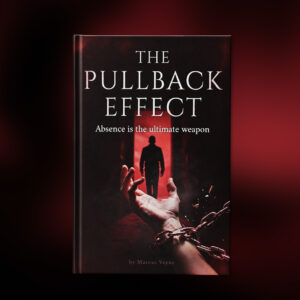
All the scripts, timing rules, and psychological openers come directly from Chapter 5: Strategic Re-Engagement – The First Hook That Breaks Their Defenses in The Pullback Effect.
The full book gives you:
- Complete message templates for every situation
- How to handle different types of replies
- Exact dread game techniques
- Transition from casual chat to deep emotional pull
The Pullback Effect is written from a male perspective for clarity, but all strategies and psychological mechanisms are gender-neutral and work equally for men and women.
Read The Pullback Effect here → eBook
The silence has done its work. Now it’s time to strike with precision.
Marcus Veyne
Author of The Pullback Effect
March 2026